
Welcome:
Login
|
Sign Up
|
About CircleID
Follow:
|
|
|

 Dangling DNS records can expose trusted corporate subdomains to takeover, while AI-assisted reconnaissance makes abandoned resources easier to find, increasing the need for continuous DNS monitoring rather than periodic audits.
 Russia is imposing state identity verification on .su, the Soviet Union's surviving domain, as researchers uncover criminal infrastructure across the namespace and ICANN pursues a retirement process that could eventually remove it from the global root.
 As AI reshapes cybersecurity, attackers are exploiting a fundamental weakness in large language models. Phantom squatting turns hallucinated domain names into trusted attack vectors, creating a new class of DNS abuse that defenders cannot solve by eliminating hallucinations alone.
 India's DNS abuse crisis exposes a registrar accountability gap: malicious domains remain online while vulnerable users bear the cost. Concentrated abuse patterns suggest stronger oversight and faster mitigation could significantly reduce predictable harms nationwide today.
 Interisle's report illuminates malicious registration trends, but its broad blocklist methodology measures different questions than DNS Abuse, complicating conclusions about registry and registrar accountability by conflating reputation signals with actionable domain enforcement decisions for policymakers.
Artificial intelligence is transforming phishing and DNS abuse, erasing the linguistic clues that once exposed scams. As attacks become personalised, automated and multilingual, governance frameworks are struggling to keep pace with a rapidly expanding threat surface.
 Third-party domain registrations tied to FIFA are surging ahead of the 2026 World Cup, revealing how major events fuel brand abuse, customer confusion, and fraud, from fake ticket sites to sophisticated scams timed to exploit peak fan interest.
 Quantum computing is advancing toward a point where today's encryption could fail, exposing years of stored data. While post-quantum defenses are emerging, experts warn that hackers are already stockpiling sensitive information for future decryption.
 Cybercriminals are becoming a major force in the domain-name market, driving an estimated one-fifth of new gTLD registrations in 2025 and exposing how commercial incentives, weak enforcement, and scale continue to fuel online abuse.
 Domains and DNS underpin modern business operations, yet security gaps remain widespread. CSC's latest research shows why stronger domain protections are essential to resilience, helping companies reduce disruption, safeguard trust, and maintain continuity when attacks strike.
New data on DNS abuse reveals most malicious domains remain active beyond 24 hours, while a handful of registrars host the bulk of infrastructure, leaving India's population of first-generation internet users uniquely exposed to fraud.
 As AI agents automate phishing, impersonation and domain abuse at machine scale, the Brand Registry Group argues that dotBrand domains are evolving from marketing assets into trust infrastructure underpinning cybersecurity, identity and interactions across the internet.
 As power grids depend on microsecond precision, states must treat time synchronization as sovereign infrastructure, hardening satellite, fiber and orbital defenses against hybrid attacks that could trigger catastrophic blackouts through resilient sovereign time defense frameworks.
 As AI reshapes the digital world, online safety depends on balancing smarter protection with growing risks. From cybersecurity to privacy concerns, understanding AI's role can help users stay secure, informed, and resilient online.
As cross-border cyber enforcement falters, critics argue Article 19's DNS abuse framework prioritizes procedural purity over user protection, leaving courts too slow to counter AI-driven phishing, rapid-flux domains, and increasingly automated online threats.
 FBI Warns of Russian Cyber Campaign Targeting Vulnerable Routers
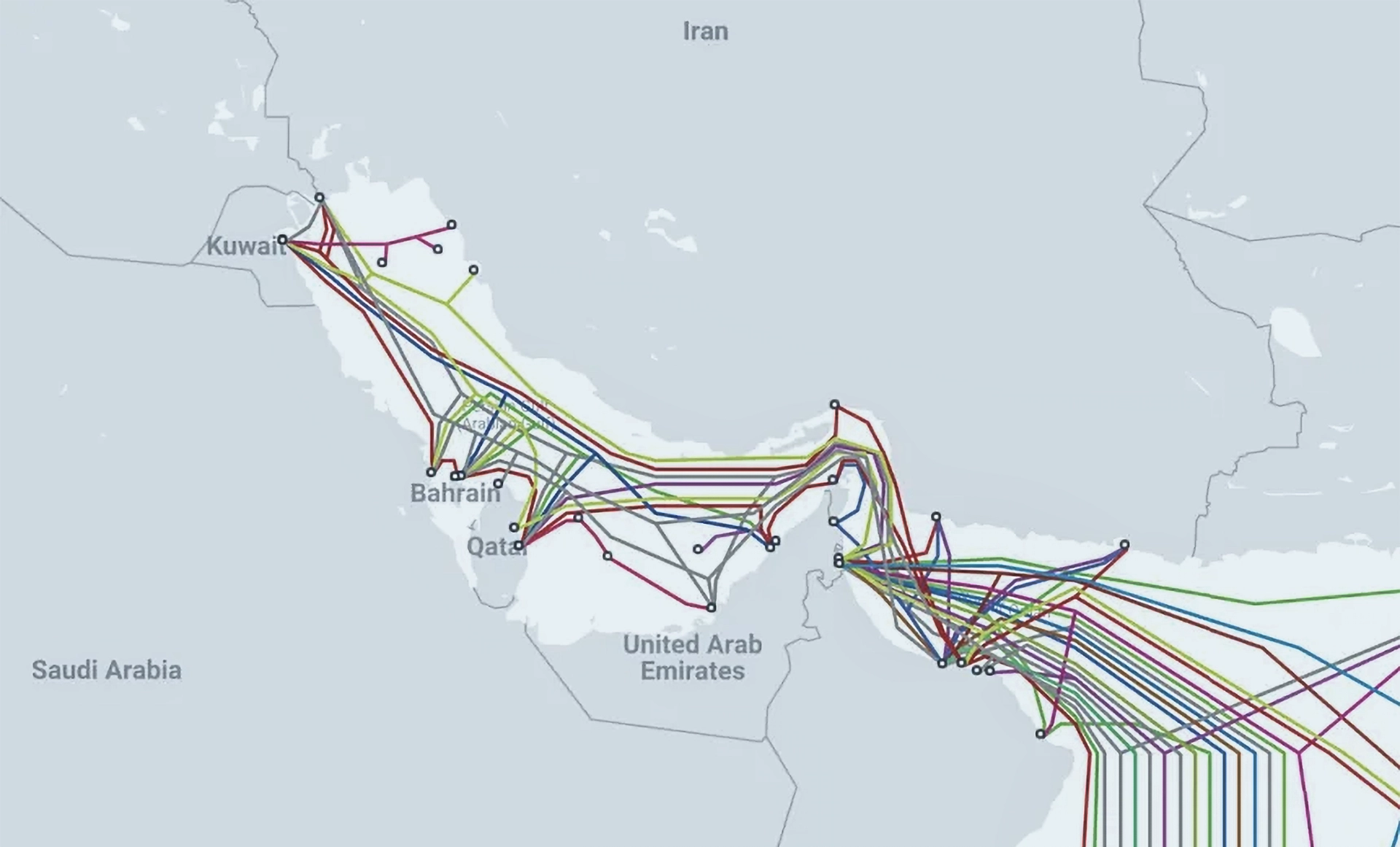 Iran Threatens Subsea Internet Cables in the Strait of Hormuz
 Iran Targeted by Self-Propagating Malware in Supply-Chain Cyberattacks
 Backlash Over Potential Firing of U.S. Election Cybersecurity’s Top Official
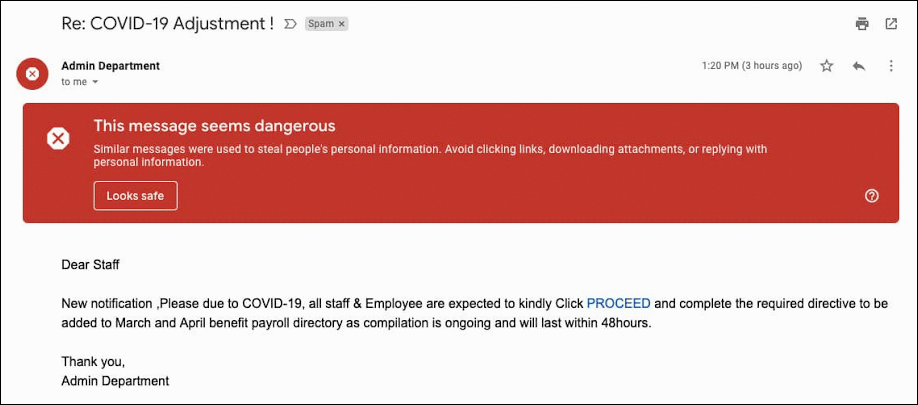 Google Reports 18 Million Daily COVID-19 Related Malware, Phishing Emails Per Day
A World-Renowned Source for Internet Developments. Serving Since 2002.